
Part Interior Designer, Part Marriage Counsellor
Why having a third person in the room might be the best thing you do for your home, and your relationship.
I've been saying it for years, usually with a laugh: "Half my job is interior design. The other half is marriage counselling."
People always chuckle. Then they pause. Then they nod.
Because they know exactly what I mean.
There's something that happens when two people decide to redesign their home together. Something that doesn't happen when one person is deciding alone, or when a couple is choosing, say, a restaurant. The stakes feel different. Home is identity. Home is the place where you exhale. And when you're about to spend significant time, money and emotional energy reshaping it, everything you value (and everything your partner values) comes to the surface.
Sometimes that's beautiful. And sometimes it's the beginning of a very long argument about whether the sofa should be linen or velvet. Believe me, I know - I’m married to an architect with very strong opinions!
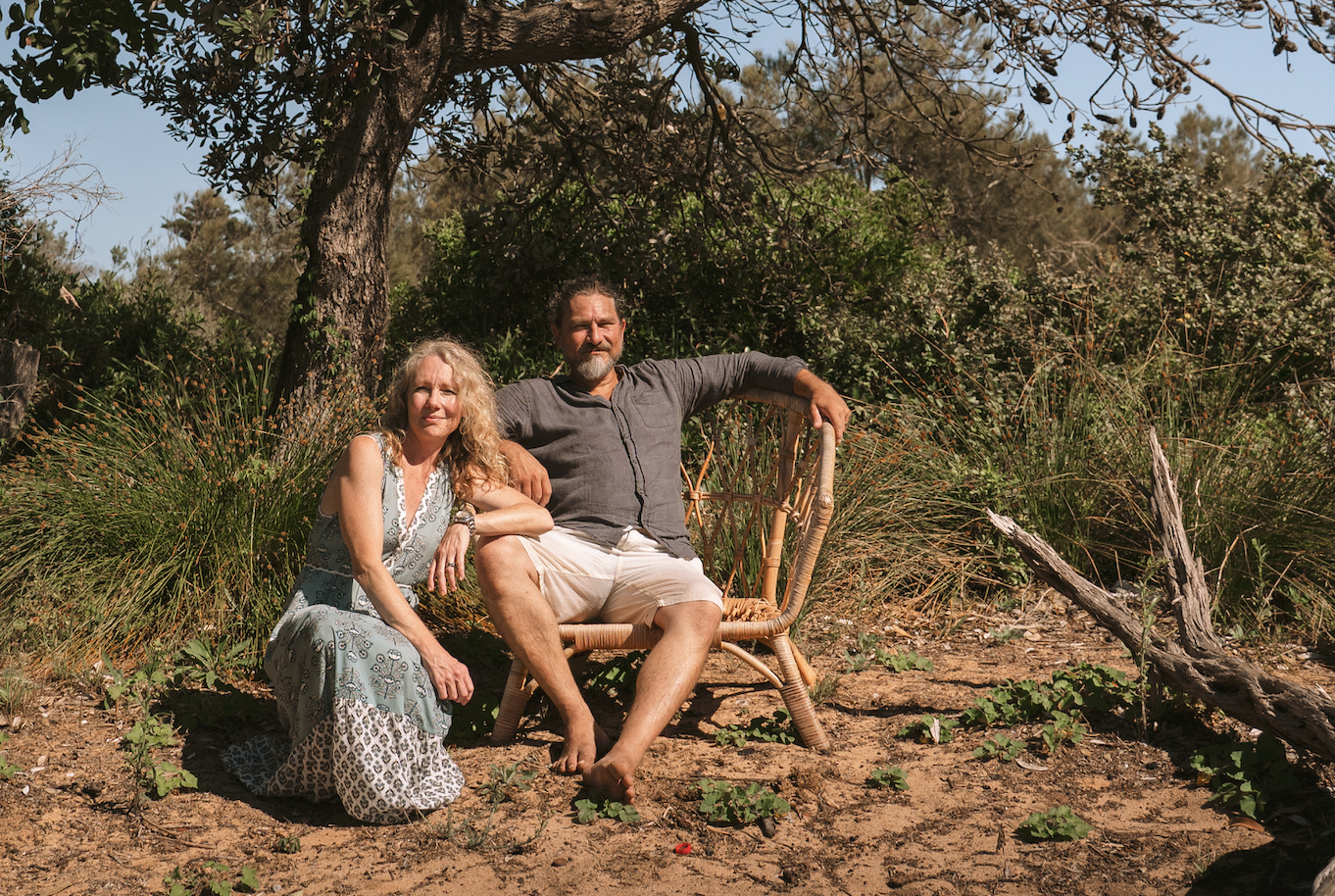
If you're navigating a renovation with a partner - or even if you're just at the beginning of trying to articulate what you want your home to be - I'd love to have a conversation. That's always where the good work starts.
The myth of the "easy" renovation
I've never met a couple who walked into a redesign project completely aligned. Not one. And I've worked with a lot of couples.
That's not a criticism, it's simply human. We each carry a different relationship with home. One partner grew up in a house full of colour and pattern; home, for them, feels alive when it's layered and expressive. The other grew up with clean lines and open space; for them, calm is comfort. Neither is wrong. Both are entirely valid. But when those two people are trying to agree on a brief, a palette, a piece of furniture, or even a light fitting, the conversation can quickly become less about the room and more about something else entirely.
I've sat across from couples who were genuinely frustrated with each other before I even arrived. The renovation had become a proxy battle - for who gets to have a say, for whose taste is "better", for who is being heard.
This is where the work gets interesting.
What a third person actually does
My role in those moments is not to take sides. It's also not to water everything down into a beige compromise that neither person loves.
What I try to do is translate.
When someone says "I just want it to feel warm," I listen for what's underneath that. When their partner says "I need it to feel like we can breathe," I listen for that too. Most of the time, those two things are not actually in conflict. They just sound like they are, because we don't always have the language for what we're really trying to say about our homes.
My job is to find the thread that connects those visions, and then to build something from it.
Having a designer in the room changes the dynamic in a few practical ways:
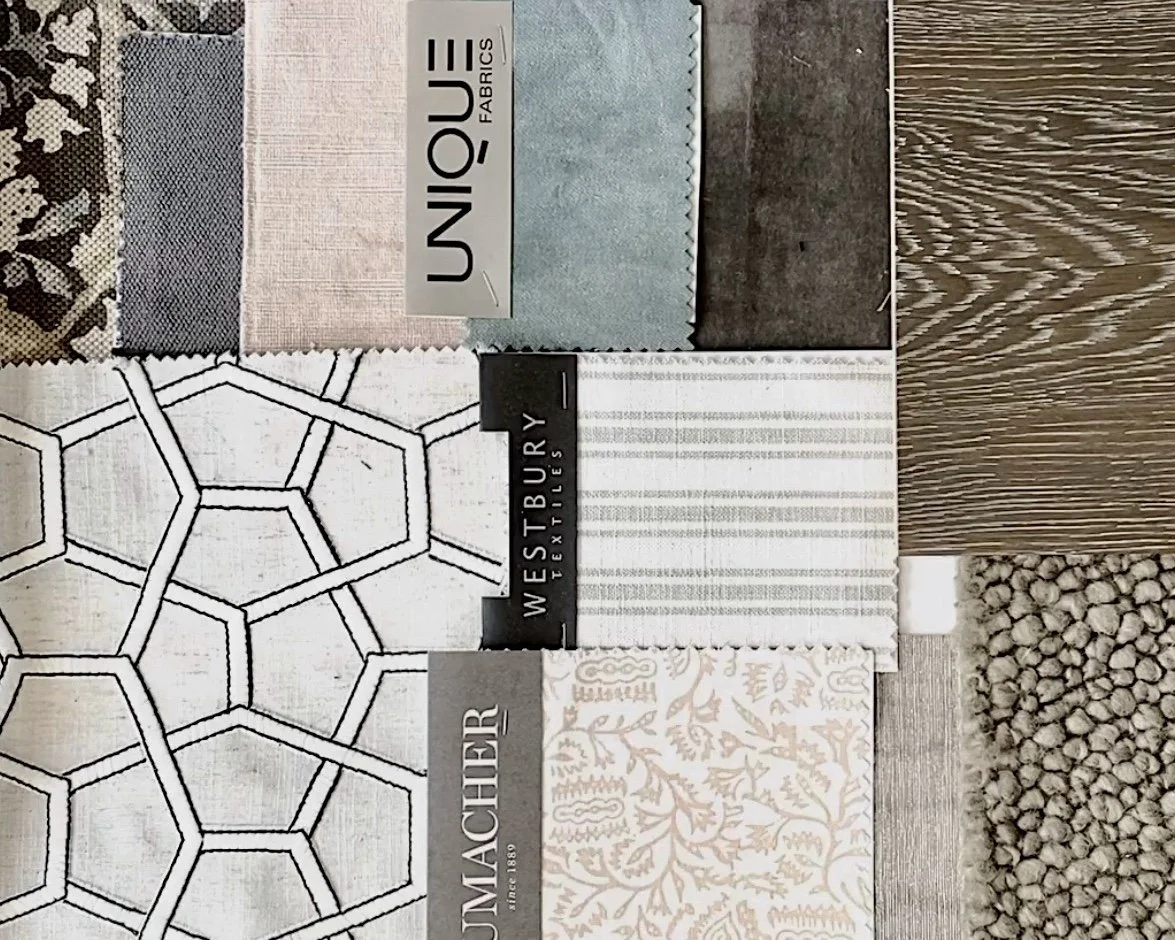
It depersonalises the disagreement. When I say "this palette won't work in this light," it's a professional observation, not a critique of someone's taste. That creates space for both people to let go of a position without feeling like they lost.
It introduces criteria. Suddenly the conversation has a frame: what will actually work for the architecture, the light, the way the family uses the space, the longevity of the materials. Personal preference still matters enormously — but it's in dialogue with something larger.
It creates a process. Instead of two people reacting to each other's ideas in real time (which can spiral quickly), there's a sequence. A discovery phase. A brief. A presentation. That rhythm gives both partners time to reflect rather than react.
It gives permission to let go. This one surprises people. Sometimes a partner is holding tightly to an idea not because they love it, but because they're afraid their voice will disappear if they release it. When I can show them that their values are woven through the whole design — not just one element — they can trust the process. And they can let the velvet sofa go.
The conversations nobody tells you to have
Before any couple starts a project with me, I ask them each, separately, one question: "What do you want to feel when you walk through the front door?"
Not what you want it to look like. Not what style you prefer. What do you want to feel.
The answers are almost always different. And they're almost always deeply personal, rooted in memory, in aspiration, in something they might not have said out loud before. That conversation, in itself, can be clarifying. For both of them.
What I've found, over fifteen years of doing this work, is that the couples who navigate a redesign well aren't the ones who agree on everything from the start. They're the ones who feel heard throughout the process. Who trust that the person guiding them genuinely has both of their interests at heart, not just the aesthetic outcome.
That trust is something I take very seriously.
A home that belongs to both of you
The best projects I've been part of are the ones where, at the end, both partners look around and feel like the space is theirs. Not a compromise. Not a fight they eventually gave up on. Something that holds both of them - their different histories, their different needs - in a way that feels coherent and whole.
That's the real work. And honestly, it's the part I love most.
So yes. Part interior designer, part marriage counsellor.
I wouldn't have it any other way.